


Release time:2026-05-27 15:37:36 view count:130
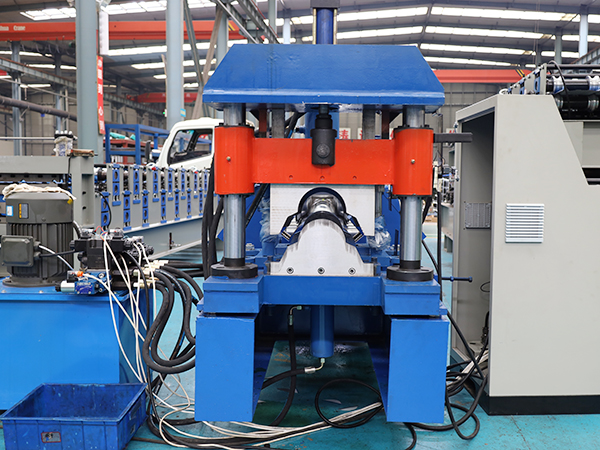
Raw materials with high surface moisture or viscosity tend to adhere to rollers and internal channels. Uneven thickness, irregular edges, or material agglomeration can obstruct smooth flow and gradually lead to stacking and blockage.
Narrow flow passages, dead corners, and improper inclination angles in hoppers or guide chutes reduce material mobility. Deformed baffles or protruding components may further obstruct the natural flow path.
Excessive feeding volume and overly high operating speed can exceed system capacity. Unstable feeding tension and mismatched process frequency cause material accumulation at transition points between forming stations.
Worn rollers, stuck moving parts, or misaligned guides alter the material path. Residual buildup on inner surfaces reduces effective passage space and increases the risk of recurring blockage.
Irregular feeding actions or arbitrary parameter adjustments during operation disrupt continuous flow. Improper handling of material head and tail sections may also cause localized accumulation.
Disperse agglomerated materials and trim irregular edges before feeding. Reduce surface moisture to minimize adhesion. Separate materials with large thickness differences and process them in batches.
Stop equipment before cleaning. Remove accumulated materials in all passages thoroughly. Repair deformed baffles and remove protruding obstacles. Adjust chute inclination to ensure smooth natural flow and eliminate dead zones.
Reduce feeding volume and adjust speed to match system capacity. Stabilize feeding tension and operating frequency to ensure smooth material transfer through each forming stage.
Clean roller and guide surfaces regularly. Repair or lubricate stuck components promptly. Recalibrate guide systems to ensure correct material tracking and prevent deviation-related blockage.
Follow unified feeding procedures and avoid forced operation during unstable flow conditions. Do not adjust parameters arbitrarily during production. Handle material head and tail sections properly to prevent stacking.
Inspect raw materials for thickness, surface condition, and flatness before production. Reject materials with excessive moisture, deformation, or severe defects to prevent blockage at the source.
Clean feeding channels, rollers, and guide structures every shift. Remove residual material buildup and perform preventive maintenance during downtime to eliminate minor deformation early.
Fix standard operating parameters for routine production. Avoid frequent parameter changes. Perform trial runs after adjustments to confirm stable material flow.
Monitor material flow conditions during production. Address early signs of accumulation immediately to prevent minor issues from developing into full blockage.
Maintain a dry and ventilated workshop environment to prevent material moisture absorption. Keep the working area clean to avoid foreign debris entering flow channels.
Material blockage in ridge cap roll forming machines is caused by a combination of raw material properties, structural design, process parameters, equipment condition, and operational behavior. Prompt cleaning and targeted adjustment can quickly restore normal flow. Long-term stability depends on strict material inspection, routine maintenance, stable parameter control, and standardized operation, which collectively ensure continuous and reliable production.
[1] Anonymous. Material Blockage on Ridge Cap Roll Forming Machine: Solutions and Prevention Tips[J]. Building Roll Forming Technology, 2026: 1–3.
Anonymous. “Material Blockage on Ridge Cap Roll Forming Machine: Solutions and Prevention Tips.” Building Roll Forming Technology, 2026, pp. 1–3.
Anonymous. (2026). Material blockage on ridge cap roll forming machine: solutions and prevention tips. Building Roll Forming Technology, 1–3.

Copyright © 2026-2027 Mingmu Roll Forming Machinery Manufacture All Rights Reserved