


Release time:2026-05-27 15:45:35 view count:137
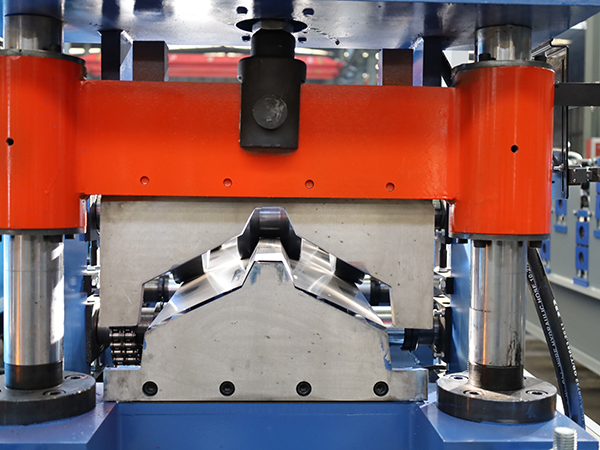
Insufficient lubricant, aging lubricating medium and blocked oil passages result in direct dry friction between rollers and matching parts. Continuous metal contact gradually abrades roller surfaces and internal supporting structures.
Metal scraps, dust and granular contaminants in the production environment attach to roller surfaces. These hard substances act as abrasives during operation, producing persistent scratching and uniform abrasive wear.
Tilted roller shafts, inconsistent gaps on both sides and misaligned installation make rollers bear uneven radial force. Local overpressure leads to concentrated wear on partial areas of the roller surface.
Long-term overload production, frequent sudden start and stop, and unstable feeding tension increase alternating stress on rollers, accelerating fatigue wear and surface damage.
Raw materials with uneven hardness, rough surfaces or residual burrs aggravate surface abrasion. Humid and corrosive workshop environments cause rust and material aging, increasing wear susceptibility.
Select lubricants matching operating load and speed. Check lubricant level, color and fluidity every day. Replace deteriorated lubricant in time and dredge blocked oil grooves and pipelines. Follow fixed lubrication cycles to maintain full protective oil films.
Clean residual materials and hard particles on roller surfaces after each shift. Polish minor scratches, burrs and protrusions to prevent small defects from expanding into severe wear. Maintain smooth roller surfaces.
Regularly check the parallelism, levelness and bilateral gaps of each roller group. Adjust deviations and uneven gaps to ensure uniform stress distribution. Tighten loose bearing seats and bolts to prevent vibration-induced displacement.
Perform periodic visual and dimensional inspection of rollers. Mark components with obvious wear for repair or replacement to avoid affecting product quality during continuous operation.
Inspect material thickness, surface quality and hardness before feeding. Trim burrs and irregular edges in advance. Separate materials with poor surface condition or excessive hardness to reduce roller abrasion.
Keep the workshop clean to reduce dust and metal debris. Install cleaning devices at the feeding section to remove surface attachments. Maintain dry and ventilated conditions to prevent corrosion and rust.
Operate within rated load and speed limits. Avoid violent start-stop and forced feeding. Maintain stable feeding tension to prevent sudden stress changes on rollers.
Install protective structures around roller groups to block debris. Clean internal equipment during downtime to eliminate hidden abrasive sources.
When equipment is idle for long periods, clean rollers thoroughly and apply anti-rust lubricant. Cover equipment properly to isolate moisture and dust and prevent idle corrosion.
Establish a complete maintenance schedule and clarify responsibilities for inspection and repair. Conduct regular training for operators and maintenance personnel to ensure standardized implementation of protective measures. Record roller wear conditions and maintenance history to optimize maintenance cycles and protection strategies.
Forming roller wear is jointly influenced by lubrication conditions, impurities, assembly accuracy, operating methods and environmental factors. Scientific maintenance and targeted protection measures can effectively delay wear progression. Continuous lubrication management, regular cleaning and calibration, strict raw material control and standardized operation are essential to maintain roller performance stability, ensure product quality and reduce equipment failure rates.
GB/T 7714
[1] Anonymous. Forming Roller Wear Problems: Maintenance and Protection for Roll Forming Equipment[J]. Metal Forming Equipment Maintenance, 2026: 1–3.
MLA
Anonymous. "Forming Roller Wear Problems: Maintenance and Protection for Roll Forming Equipment." Metal Forming Equipment Maintenance, 2026, pp. 1–3.
APA
Anonymous. (2026). Forming roller wear problems: maintenance and protection for roll forming equipment. Metal Forming Equipment Maintenance, 2026, 1–3.

Copyright © 2026-2027 Mingmu Roll Forming Machinery Manufacture All Rights Reserved