


Release time:2026-05-27 15:37:03 view count:128
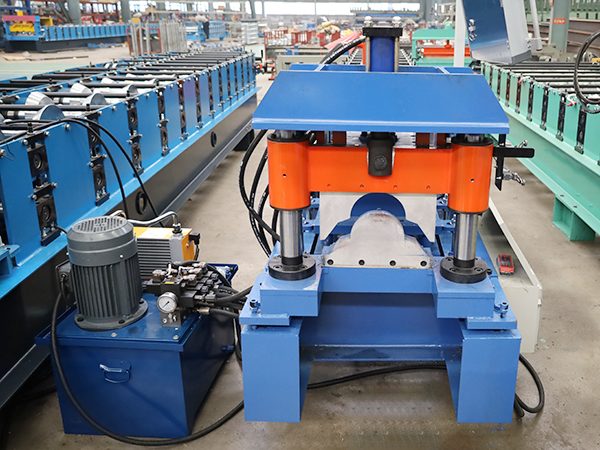
Insufficient lubricant, aging lubricating medium, or blocked oil passages lead to direct dry friction between bearings, roll shafts, and transmission components. Continuous metal contact produces harsh rubbing noise while accelerating wear.
Long-term vibration loosens bolts, brackets, and structural connections. Misaligned roll shafts, uneven roll gaps, and offset transmission parts disturb stable operation, resulting in periodic impact and rattling noise.
Worn bearings, deformed gears, and damaged roll surfaces lose proper matching accuracy. These defects cause unstable rotation, leading to intermittent knocking sounds and rough operation noise.
Metal scraps, dust, and hard particles may enter gaps between rollers, gears, and protective covers. These impurities collide with moving parts, generating irregular noise and potentially scratching components.
Deviated strip movement causes severe friction against guide plates and limiting devices. Over-tight guiding clearances further produce continuous scraping noise during forming.
An uneven or poorly reinforced foundation cannot effectively absorb vibration. At certain operating speeds, resonance occurs and amplifies low-frequency noise across the machine structure.
Remove deteriorated lubricant and clean oil grooves and pipelines thoroughly. Refill qualified lubricant to the specified level and follow scheduled lubrication cycles to ensure full protective film coverage on friction surfaces.
Inspect all fasteners and tighten loose parts systematically. Re-adjust roll levelness, parallelism, and shaft alignment to eliminate deviation and restore stable mechanical operation.
Inspect key parts such as bearings and gears. Replace severely worn or cracked components promptly. Polish minor defects on roll surfaces to reduce abnormal friction and noise.
Shut down and isolate power before maintenance. Open protective covers and clean internal debris completely. Maintain a clean working environment to prevent re-entry of foreign materials.
Re-align entry guides and limit structures to ensure materials travel along the centerline. Adjust excessive tightness and remove burrs from contact surfaces to minimize rigid friction.
Level and reinforce the machine foundation. Install damping elements if necessary. Adjust operating speed to avoid resonance zones and reduce vibration transmission from surrounding equipment.
Establish shift-based inspection routines for operating sound, temperature, and lubrication condition. Implement strict lubrication and fastening standards. Keep the environment clean and inspect key components regularly to eliminate hidden risks. Standardize feeding operations to prevent deviation and friction-related noise.
Abnormal noise in ridge cap roll forming machines is mainly caused by lubrication failure, loose assembly, component wear, foreign matter intrusion, unstable feeding, and resonance. Accurate diagnosis combined with targeted corrective actions can effectively eliminate noise issues. With continuous standardized maintenance, the equipment can maintain stable operation, reduce failure rates, and ensure consistent product quality.
[1] Anonymous. Abnormal Noise of Ridge Cap Roll Former: Fault Analysis and Practical Fixes[J]. Construction Profile Processing & Equipment Maintenance, 2026: 1–3.
Anonymous. “Abnormal Noise of Ridge Cap Roll Former: Fault Analysis and Practical Fixes.” Construction Profile Processing & Equipment Maintenance, 2026, pp. 1–3.
Anonymous. (2026). Abnormal noise of ridge cap roll former: fault analysis and practical fixes. Construction Profile Processing & Equipment Maintenance, 1–3.

Copyright © 2026-2027 Mingmu Roll Forming Machinery Manufacture All Rights Reserved