


Release time:2026-07-22 16:25:22 view count:52
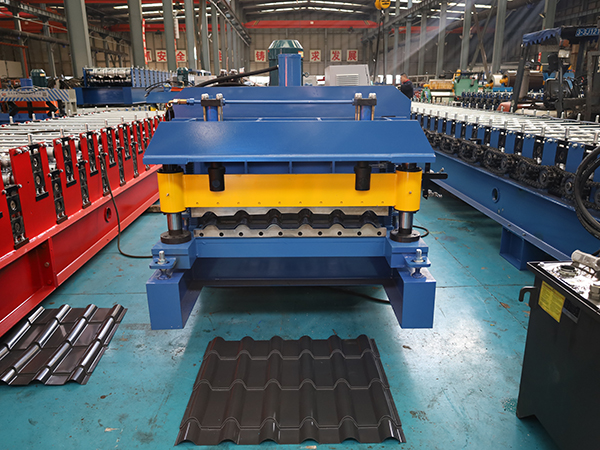
In the world of modern metal fabrication, the single-layer roll forming machine stands out as one of the most practical and widely adopted pieces of equipment on factory floors worldwide. Designed to process metal coils into profiled sheets with consistent precision, this machine plays a vital role in producing construction materials for roofing, wall cladding, and structural framing applications.
The working principle behind a single-layer roll forming machine is both elegant and efficient. Metal coil stock is unwound and fed continuously through a series of paired rollers, each set progressively shaping the flat metal into the desired profile. Unlike multi-layer or stacked configurations, a single-layer machine processes one type of profile at a time, which translates to higher consistency and easier operation for factory personnel.
The process begins with the decoiler, which holds the raw coil material. The strip passes through an entry guide that ensures proper alignment before reaching the forming station. From there, a series of rollers—typically 12 to 20 pairs depending on the profile complexity—bend and shape the metal step by step. Finally, a hydraulic cutter trims the sheet to the programmed length, producing finished panels ready for packaging or further processing.
One of the most significant benefits of operating a single-layer roll forming machine is the exceptional consistency it delivers. Each panel produced shares the same dimensions and profile geometry, which is critical when sheets must interlock or overlap during installation. This repeatability reduces material waste and minimizes the need for on-site adjustments, saving both time and labor costs.
Speed is another area where this equipment excels. A modern single-layer roll forming line from a reputable manufacturer can produce between 10 and 30 meters of profiled sheet per minute, depending on the material thickness and profile design. For suppliers fulfilling large orders for commercial or industrial projects, this throughput rate represents a significant competitive advantage.
Additionally, the relatively straightforward design of a single-layer machine makes it easier and more affordable to maintain compared to more complex multi-task lines. Factory technicians can perform routine inspections and roller changes without specialized training, which keeps operational costs manageable over the equipment's lifespan.
The profiled sheets produced by single-layer roll forming machines are used in an impressive variety of construction contexts. Metal roofing sheets formed on these machines provide weather-resistant coverings for warehouses, factories, agricultural buildings, and residential homes. The same technology produces wall cladding panels that offer both structural support and aesthetic appeal.
In structural framing, purlin profiles created by roll forming equipment form the skeleton of roof and floor systems. These load-bearing components benefit from the dimensional accuracy that roll forming delivers, ensuring that fastening points align correctly during assembly.
Not all single-layer roll forming machines are created equal. A trusted manufacturer will customize roller configurations, motor power, and control systems to match specific production requirements. Factors such as the type of metal being processed—galvanized steel, aluminum, or color-coated coils—influence the machine specifications needed.
Suppliers and buyers should look for equipment backed by technical documentation, on-site installation support, and a responsive after-sales service team. The total cost of ownership, not just the initial purchase price, determines the real value of the investment over years of production.
A single-layer roll forming machine is a cornerstone piece of equipment for any factory or supplier focused on metal construction materials. Its combination of precision, speed, and operational simplicity makes it an indispensable asset in the modern manufacturing landscape. Investing in quality equipment from an experienced manufacturer ensures reliable performance and long-term productivity for your production line.
References
Sheet Metal and Forming Technology Handbook, Industrial Press.
CRC Press – Roll Forming Handbook, 2nd Edition.
ASM International – Metals Handbook: Forming and Forging, Volume 14.
European Steel Technology Journal, Vol. 42, No. 3, 2021.

Copyright © 2026-2027 Mingmu Roll Forming Machinery Manufacture All Rights Reserved