


Release time:2026-06-19 19:43:07 view count:111

At the core of every hydraulic cutting machine is a system that uses pressurized fluid to generate immense cutting force. An electric motor drives a hydraulic pump that pushes oil through valves and into a cylinder, where the resulting pressure moves the ram or blade assembly. The efficiency and reliability of this system depends on the condition of the hydraulic fluid, the integrity of seals and hoses, and the proper calibration of pressure controls.
When the system operates below its designed pressure — due to a leak, worn pump, or restricted valve — the machine cannot complete clean cuts. Material deforms rather than shearing, blade life shortens dramatically, and the machine experiences increased stress that accelerates component wear. Regular pressure testing and leak detection prevent this degradation from developing into a serious production problem.
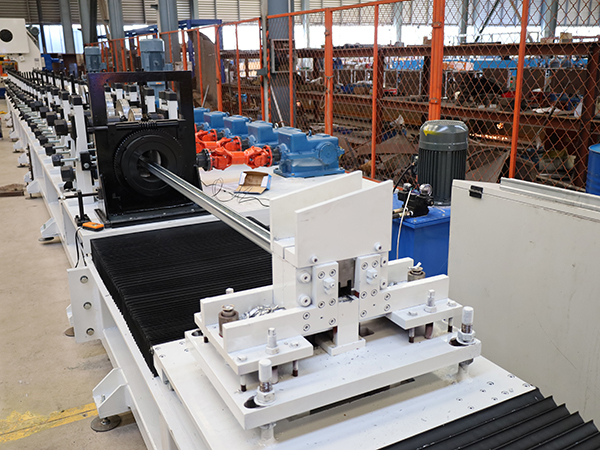
Hydraulic fluid degrades over time through a combination of thermal breakdown, contamination from particles, and chemical oxidation. Even clear-looking oil can have lost its lubricating properties and corrosion inhibitors. Most manufacturers recommend fluid analysis every 500 to 1,000 operating hours, with complete fluid replacement every 2,000 to 4,000 hours depending on operating conditions and environment.
In dusty or high-temperature environments, fluid contamination is faster. Install breathers with desiccant elements on hydraulic reservoirs to prevent airborne moisture from entering the system. Check fluid level daily during heavy production periods. A machine running with insufficient fluid overheats quickly and suffers accelerated wear on pump components.
The cutting blades on a hydraulic machine are the components most exposed to wear and failure. Inspect blades at the start of every shift, looking for chips, excessive wear on the cutting edge, or uneven wear patterns that indicate misalignment. Dull or damaged blades require more force to cut, increasing hydraulic system stress and causing heat buildup in the pump and valves.
Blade adjustment is a precise operation. The clearance gap between the upper and lower blades must be set to match the material thickness and type — typically 5% to 10% of the material thickness for steel. Too small a gap causes binding and excessive wear; too large a gap produces distorted, ragged cuts. Keep a blade clearance gauge in your maintenance toolkit and verify settings whenever you switch to a different material thickness or grade.
Create a maintenance schedule that covers daily, weekly, and monthly tasks. Daily checks should include fluid level, visual inspection for leaks, and blade condition. Weekly tasks should cover filter replacement based on pressure differential indicators, rod and seal inspection on the cutting cylinder, and verification of safety interlock function.
Monthly maintenance includes checking the hydraulic pump motor alignment, inspecting electrical connections, and testing the pressure relief valve to confirm it opens at the correct set point. Annual service should cover complete fluid change, seal replacement, and system flush. Factories that follow this disciplined approach consistently report lower unplanned downtime and longer machine life.
Maintenance is not exclusively the domain of technicians. Operators who understand their equipment spot problems earlier and prevent minor issues from becoming major failures. Train operators to recognize the warning signs of hydraulic problems: slow ram speed, inconsistent cutting force, unusual noise from the power unit, or oil temperature that rises faster than normal.
A simple daily inspection checklist, completed by the operator and reviewed by a supervisor, creates accountability and early detection. When operators feel ownership of the equipment's condition, maintenance culture improves across the entire facility. This cultural investment costs little and pays back many times over in reduced repair bills and improved production reliability.
Shigley, J. and Vable, M. (2020). Mechanical Engineering Design and Hydraulic System Maintenance. 11th Edition, McGraw-Hill Education.
Fritz, H. (2021). Hydraulic Equipment Operation, Troubleshooting, and Preventive Maintenance. Industrial Machinery Series, Vol. 15.
Institute of Metal Fabrication (IMF). (2022). Best Practices for Maintaining Industrial Cutting Equipment in Fabrication Shops. IMF Technical Guidance Note TGN-2022-04.

Copyright © 2026-2027 Mingmu Roll Forming Machinery Manufacture All Rights Reserved