


Release time:2026-07-18 18:05:23 view count:64
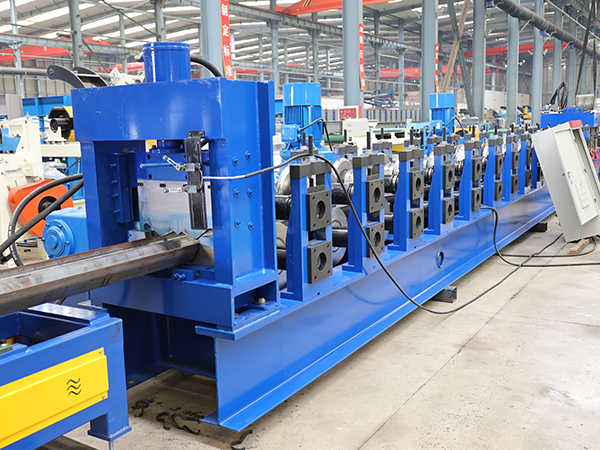
Investing in a roll forming machine is a significant commitment for any factory or supplier. The equipment you choose will shape thousands—if not millions—of meters of metal profile over its operational life, directly affecting your production costs, product quality, and competitive position. Making an informed decision requires thinking through several interconnected factors, from the specific profiles you need to produce to the support infrastructure your supplier provides after the sale.
Before looking at any machine catalogs or speaking with suppliers, clarify what you actually need to produce. The profile geometry—its depth, width, number of ribs, and complexity—determines how many forming stations the machine will require and how technically demanding the roller design will be. A simple trapezoidal roofing sheet might require 12 to 14 roller stations, while a complex tile-effect profile or deep structural section could need 24 or more.
Material specifications matter equally. The type of metal—galvanized steel, aluminum, Galvalume, or stainless steel—affects the roller material requirements, the drive power needed, and the machine's overall capacity. Material thickness directly influences the size and strength of the drive motors, the roller shaft diameters, and the frame rigidity the machine needs to handle forming forces without deflection.
Production volume expectations should align with your machine's speed capabilities. If your factory targets large contracts requiring thousands of square meters of roofing panels per month, a high-speed line with 30 or more meters per minute capability becomes necessary. For smaller operations serving local markets, a medium-speed machine may provide the right balance of capability and investment.
The forming width range determines the maximum material width the machine can handle. Some factories purchase machines with wider capacity than they currently need, anticipating future product diversification. While this approach offers flexibility, it also increases machine cost, so the tradeoff should be weighed carefully against realistic growth projections.
Motor power is a critical performance parameter. Heavier materials and deeper profiles require more drive power to pull the strip through the forming stations without stalling. Underpowered machines struggle with material variations within a coil, causing speed inconsistencies and potentially triggering overload shutdowns during production. Reputable manufacturers provide detailed motor sizing calculations based on the specified profile and material parameters.
The control system governs how operators interact with the machine. Modern PLC-based control systems with touchscreen interfaces offer intuitive operation, programmable length settings, and diagnostic capabilities that simplify troubleshooting. Some systems integrate with factory management software for production tracking and reporting, which can provide valuable operational insights for larger facilities.
If your factory plans to produce multiple profile types on the same machine, investigate the changeover system carefully. Machines with quick-release roller cassettes allow operators to swap profile configurations in hours rather than days, dramatically improving flexibility for suppliers serving diverse market segments. However, this versatility typically comes at a higher initial cost and requires additional roller set investments for each profile variant.
For factories focused on one or two stable profile types, a dedicated single-purpose roll forming line offers the lowest cost per meter produced. The key is honest self-assessment of your likely product mix over the machine's projected lifespan—typically 10 to 20 years for well-maintained industrial equipment.
The manufacturer's experience and track record matter considerably in this market. An established manufacturer with decades of experience designing and building roll forming equipment has accumulated engineering knowledge that newer suppliers simply cannot match. This expertise shows in roller geometry design, machine frame engineering, and the subtle refinements that distinguish reliable equipment from marginally functional machinery.
Request references from existing customers in your industry—ideally, facilities producing similar profiles to what you plan to make. Speaking directly with factory managers who operate the equipment daily reveals insights about real-world performance, reliability, and the supplier's responsiveness when issues arise. Pay attention to comments about machine uptime, the quality of technical documentation, and whether the supplier provides meaningful after-sales support.
The purchase price is only one component of the total cost of owning and operating a roll forming machine. A machine priced several thousand dollars below the competition may cost far more over its operational lifetime if it requires frequent repairs, consumes excess energy, or produces inconsistent quality that generates scrap and rework. Factor in expected energy consumption, roller replacement costs, maintenance frequency, and the expected production lifespan before comparing machine prices.
Warranty terms deserve careful review. A stronger warranty from a manufacturer confident in its equipment quality represents meaningful protection for the buyer. Equally important is the supplier's parts availability policy—machines that require rare or custom-manufactured replacement components can suffer extended downtime when parts are needed urgently.
Choosing the right roll forming machine is a multi-dimensional decision that balances technical requirements, financial constraints, and strategic business considerations. By defining your production needs clearly, evaluating machine specifications rigorously, and partnering with an experienced manufacturer who provides genuine after-sales support, you position your factory for long-term success in the competitive roll forming market.
References
European Chamber of Commerce – Buyer's Guide to Metal Fabrication Equipment, 2023 Edition.
Metal Manufacturing Journal, Vol. 15, No. 4, 2022 – Capital Equipment Procurement Best Practices for Fabrication Factories.
Society of Manufacturing Engineers (SME) – Equipment Selection and Procurement Standards for Metal Processing Operations.
International Journal of Production Economics, Vol. 234, 2021 – Total Cost of Ownership Models for Industrial Manufacturing Equipment.

Copyright © 2026-2027 Mingmu Roll Forming Machinery Manufacture All Rights Reserved